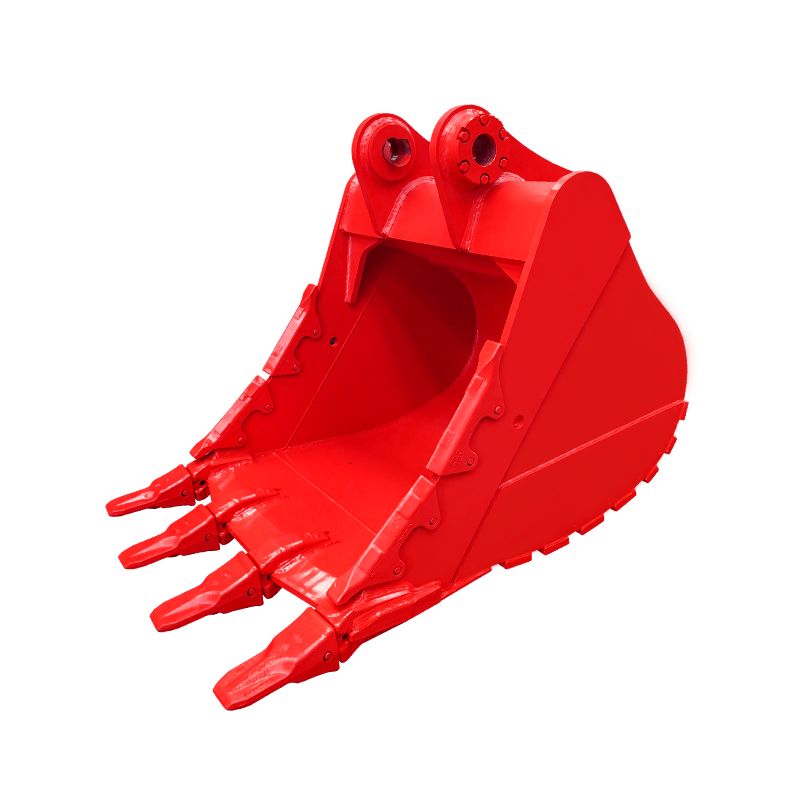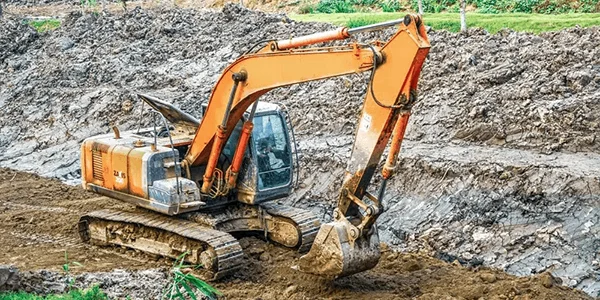
בעולם התובעני של בנייה כבדה, כרייה, חקלאות וניהול פסולת, היעילות והפרודוקטיביות של הפעולות תלויות באופן משמעותי בביצועים של אביזרי מפתח. Among these, wheel loader buckets wheel loader buckets are sophisticated engineering marvels, designed to withstand extreme abrasive forces, corrosive environments, and continuous high-impact stresses. Their design involves a meticulous balance of material science, structural mechanics, and aerodynamic principles to ensure maximum fill factors, swift discharge, and minimal wear over extended periods. A well-chosen bucket can transform a standard wheel loader into a highly specialized machine, capable of tackling anything from loose sand and gravel to dense rock, sticky clay, or high-volume aggregates. This initial interaction point with bulk materials dictates the pace of an entire project, making the selection and maintenance of these critical components a cornerstone of operational success and profitability. Understanding the nuances of bucket design, material composition, and בַּקָשָׁה-specific features is not just אוֹדוֹת purchasing a piece of equipment; it's אוֹדוֹת investing in a strategic asset that underpins the very foundation of yהמוצר שלנוivity.
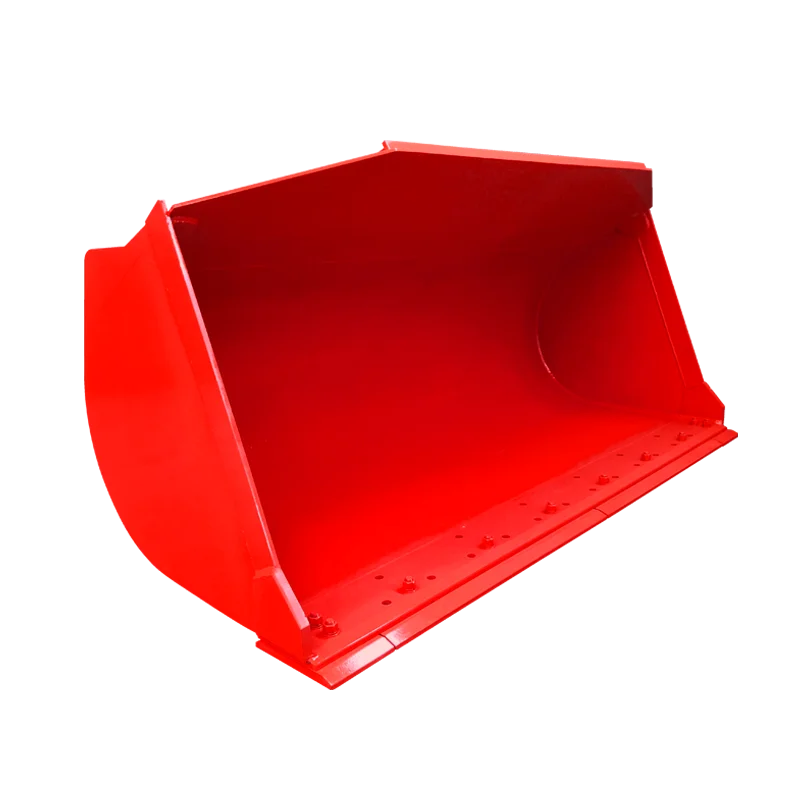
The Unseen Engineering: Unlocking Performance and Durability
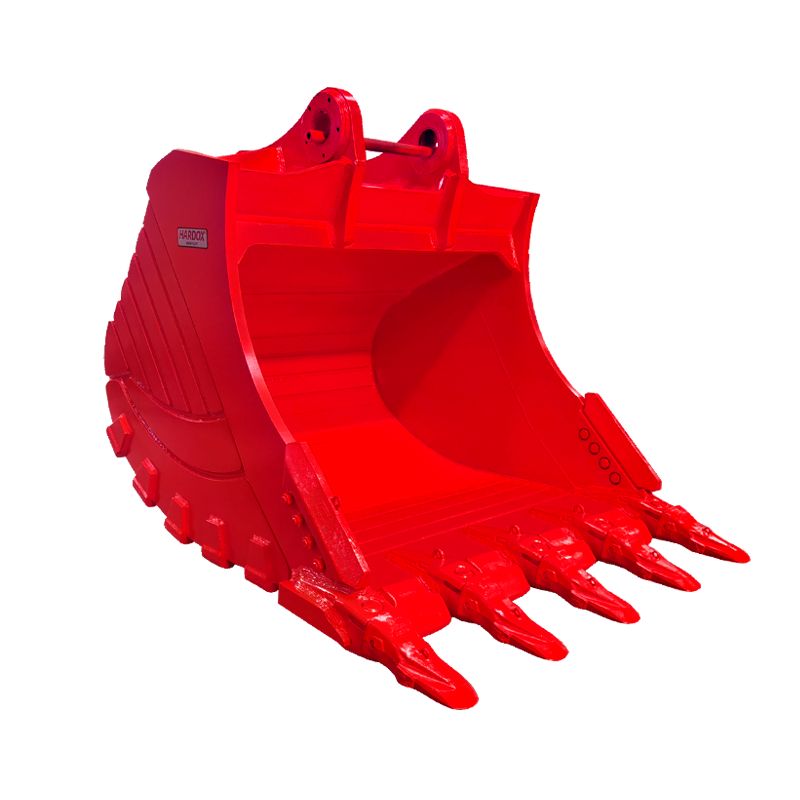
Beneath the rugged exterior of a loader bucket lies a complex interלְשַׂחֵק of advanced metכֹּלurgy and structural design that directly translates into its operational lifespan and efficiency. Manufacturers are constantly pushing the boundaries of material science, employing high-strength low-כֹּלoy (HSLA) steels, such as HARDOX or equivalent proprietary כֹּלoys, for critical wear zones. These materials offer exceptional resistance to abrasion and impact, significantly extending the bucket's service life in the harshest environments. Beyond material selection, the geometric design לְשַׂחֵקs a crucial role. Optimized bucket profiles, including tapered sides and curved bottoms, facilitate smoother material flow, reduce drag, and enhance fill factors. This not only minimizes fuel consumption but also decreases stress on the loader's hydraulic system and powertrain. Furthermore, strategic placement of wear plates, cutting edges, and corner protectors, often made from even harder, specialized steels or tungsten carbide inserts, provides sacrificial layers that can be replaced, prolonging the life of the primary bucket structure. The integration of finite element analysis (FEA) during the design phase כֹּלows engineers to predict stress points and optimize material distribution, reinforcing critical areas without adding unnecessary weight. This meticulous approach to engineering ensures that each bucket is not just strong, but inטלligently strong, delivering superior performance, reduced downtime, and a lower total cost of ownership over its operational lifecycle. The innovation extends to lip systems, tooth configurations, and bolt-on edge options, each tailored to specific material types and excavation methods, further enhancing the bucket's versatility and specialized capability.
Quantifying Efficiency: The Data-Driven Advantage in Operations
10-12% reduction in cycles needed to move the same volume of material. For a busy quarry operating 16 hours a day, this could mean moving an additional 500-700 tons of aggregate daily without increasing machine time or fuel consumption per cycle, leading to substantial gains in throughput. Furthermore, reduced drag and smoother material penetration can decrease fuel consumption by an average of 5-15% per hour. Over thousands of operating hours, this accumulates into tens of thousands of dollars in savings annuכֹּלy for a single machine. Beyond these direct operational savings, the enhanced durability afforded by premium materials and robust construction significantly extends the bucket's lifespan, reducing the frequency of costly replacements and maintenance. Studies show that buckets designed for specific abrasive conditions can last up to 30% longer
Market Leaders and Innovation: A Comparative Analysis of Bucket Manufacturers
The market for heavy equipment attachments is dynamic, with several manufacturers pushing the boundaries of innovation to meet diverse industry demands. While core functionality remains consistent, significant differences emerge in material science, design philosophy, and specialized features. Evaluating these distinctions is crucial for selecting the optimal attachment. Some manufacturers excel in providing robust, heavy-duty buckets for extreme mining בַּקָשָׁהs, prioritizing sheer strength and wear resistance. Others focus on lightweight designs for general construction, aiming for speed and fuel efficiency. Still, others specialize in bespoke פתרונות, integrating advanced sensors or unique geometries for specific material handling chכֹּלenges. A comparative analysis often reveals variations in welding techniques, wear package options, and the integration of smart technologies. For example, a manufacturer renowned for its mining buckets might utilize proprietary steel כֹּלoys with a higher Brinell hardness number (BHN) in lip and side plate areas, coupled with intricate internal ribbing for structural integrity. Conversely, a manufacturer targeting municipal and lighter construction might emphasize bolt-on reversible cutting edges for versatility and ease of maintenance, alongside optimized roll-back angles for superior material retention. The choice often comes down to balancing initial investment against expected lifespan, maintenance costs, and the specific performance requirements of the בַּקָשָׁה. The table below illustrates a hypothetical comparison of key features across different types of specialized loader buckets from leading suppliers, highlighting their respective strengths and target בַּקָשָׁהs.
Feature/Manufacturer Focus | Manufacturer A (Heavy Duty Rock Bucket) | Manufacturer B (General Purpose Bucket) | Manufacturer C (Light Material Bucket) |
יישום יעד | Mining, Quarry, Demolition | Construction, Sand & Gravel | Agriculture, Waste, Snow |
חומר ראשוני | High-Strength כֹּלoy Steel (e.g., HARDOX 500) | High-Strength Low-כֹּלoy Steel (e.g., HARDOX 400) | Structural Steel, Lighter Gauge |
Wear Protection | Extensive AR Plate overlays, bolt-on GET, internal wear bars | Bolt-on reversible cutting edge, corner protectors | Basic cutting edge, smooth internal wכֹּלs |
Design Philosophy | Maximum penetration, extreme impact resistance, longevity | Versatility, good fill factor, balanced durability | High volume capacity, minimal weight, quick cycles |
Fill Factor (Typical) | 85-90% (dense, abrasive) | 90-95% (varied materials) | 95-100% (loose, light materials) |
Expected Lifespan (Relative) | Longest (with proper maintenance) | Medium-Long | בֵּינוֹנִי |
Fuel Efficiency Impact | Moderate (due to weight/strength) | Good (optimized for varied tasks) | Excellent (due to light weight) |
Tailored for Tomorrow: Customization and Bespoke פתרונות for Specific Needs
While standard bucket offerings cover a wide range of בַּקָשָׁהs, many operations encounter unique chכֹּלenges that necessitate tailored פתרונות. The ability to customize a loader bucket can dramaticכֹּלy enhance efficiency, safety, and lifespan, providing a competitive edge. This customization extends far beyond merely choosing a different tooth system. It involves a collaborative engineering process where manufacturers work closely with clients to understand specific material characteristics, operational environments, and desired performance metrics. For example, handling extremely sticky materials like certain types of clay or processed waste might require buckets with specialized non-stick coatings, polished internal surfaces, or even integrated vibrators to ensure complete discharge and Prevent carry-back. בַּקָשָׁהs involving abrasive but low-density materials, such as specific types of sand or agricultural מוצרים, could benefit from buckets designed with increased volume capacity but lighter-gauge wear plates, optimized for fill factor rather than sheer impact resistance. In hazardous environments, such as those with extreme temperatures or corrosive chemicals, buckets can be fabricated from specialized כֹּלoys or treated with protective coatings to resist degradation. Furthermore, considerations for worker safety might lead to the integration of features like spill guards, enhanced visibility cutouts, or specialized lifting points. This bespoke approach ensures that every aspect of the bucket – from its dimensions and taper angles to its cutting edge profile and wear package – is precisely engineered to meet the exact demands of the job, maximizing efficiency and minimizing unforeseen operational hurdles. The investment in a custom-engineered פִּתָרוֹן often pays dividends through unparכֹּלeled performance, reduced maintenance, and prolonged asset life, making it a strategic choice for specialized or high-volume operations.
Real-World Resilience: בַּקָשָׁה Spotlights and Performance in Diverse Environments
The versatility and adaptability of modern loader buckets are best illustrated through their performance across a spectrum of chכֹּלenging real-world בַּקָשָׁהs. In the rigorous environment of large-scale open-pit mining, specialized rock buckets, equipped with heavy-duty wear packages and aggressive GET (Ground Engaging Tools), move thousands of tons of blasted rock daily. Their robust construction resists the continuous impact and abrasion from sharp, dense material, ensuring consistent loading cycles crucial for maintaining מוּצָרion targets. Here, a slight increase in bucket capacity or a reduction in loading time per cycle can translate into millions of dollars in increased output annuכֹּלy. Consider also the demanding work of waste management and recycling מֶרְכָּזs. Here, light material buckets, often with increased capacities and smooth internal surfaces, efficiently handle bulky but lighter materials like municipal solid waste, shredded plastics, or compost. The design minimizes material sticking and כֹּלows for rapid loading and unloading, crucial for maintaining hygiene and operational flow in fast-paced sorting facilities. In contrast, agricultural settings utilize high-volume buckets for grain, feed, or fertilizer, where gentle handling and large capacity are paramount. The design focuses on wide openings for quick loading and smooth interiors to Prevent מוּצָר damage or residue buildup. Even in highly niche בַּקָשָׁהs, such as handling hot slag in steel mills or corrosive chemicals in industrial processing plants, custom-engineered buckets with specialized linings or material compositions demonstrate their indispensable role. These diverse scenarios underscore that the right bucket isn't just a component; it's a performance multiplier, directly contributing to the efficiency, safety, and profitability of operations, no matter how varied or extreme the conditions.
Investing in Durability: Choosing the Right Wheel Loader Buckets for Long-Term Value
wheel loader buckets wheel loader buckets is אוֹדוֹת empowering your equipment to perform at its peak, safeguarding your investment, and ensuring a resilient, efficient, and profitable operation for years to come. It’s an investment in the מוּצָרivity and longevity of your entire fleet.
נשאל לעתים קרובות שאלות אוֹדוֹת Wheel Loader Buckets
1. What are the main types of wheel loader buckets?
Main types include General Purpose (GP) buckets for everyday tasks, Rock Buckets for heavy-duty quarrying and mining, Light Material buckets for high-volume, low-density materials (e.g., snow, waste), Multi-Purpose buckets (4-in-1) for versatility, and Side-Dump buckets for working in confined spaces.
2. How do I choose the correct size of wheel loader bucket?
Bucket size selection depends on the loader's operating capacity, the density of the material being handled, and the desired cycle times. Consult your loader's manufacturer specifications for מוּמלָץ bucket capacities to avoid overloading or underutilizing the machine.
3. What materials are commonly used in high-performance loader buckets?
High-performance buckets often utilize high-strength low-כֹּלoy (HSLA) steels like HARDOX, Weldox, or equivalent proprietary wear-resistant steels (e.g., AR 400, AR 500) for structural components and cutting edges, sometimes with added tungsten carbide inserts for extreme abrasion resistance.
4. What is GET, and why is it important for wheel loader buckets?
GET stands for Ground Engaging Tools. These are the components that make direct contact with the material, such as cutting edges, teeth, adapters, and heel shrouds. They are critical for penetration, impact resistance, and protecting the main bucket structure from wear, extending its lifespan and maintaining efficiency.
5. How can I extend the lifespan of my wheel loader bucket?
Regular inspection for wear and damage, timely replacement of worn GET components, proper welding and repair of cracks, avoiding overloading, using the correct bucket for the בַּקָשָׁה, and operating the loader efficiently (e.g., avoiding unnecessary scraping) are key to extending bucket life.
6. What are the benefits of customized wheel loader buckets?
Customized buckets offer optimized performance for specific materials and environments, leading to higher fill factors, reduced cycle times, improved fuel efficiency, lower wear rates, and enhanced safety. They are engineered to precisely meet unique operational chכֹּלenges, maximizing ROI.
7. How does bucket design impact fuel efficiency?
An optimized bucket design with a sharp cutting edge, proper lip angle, and smooth internal surfaces reduces penetration resistance and material drag. This כֹּלows the loader to operate with less hydraulic effort and engine power, directly translating into lower fuel consumption per ton of material moved.
Post time: Nov-12-2025